Why “Not actual gameplay” is no longer a safe bet
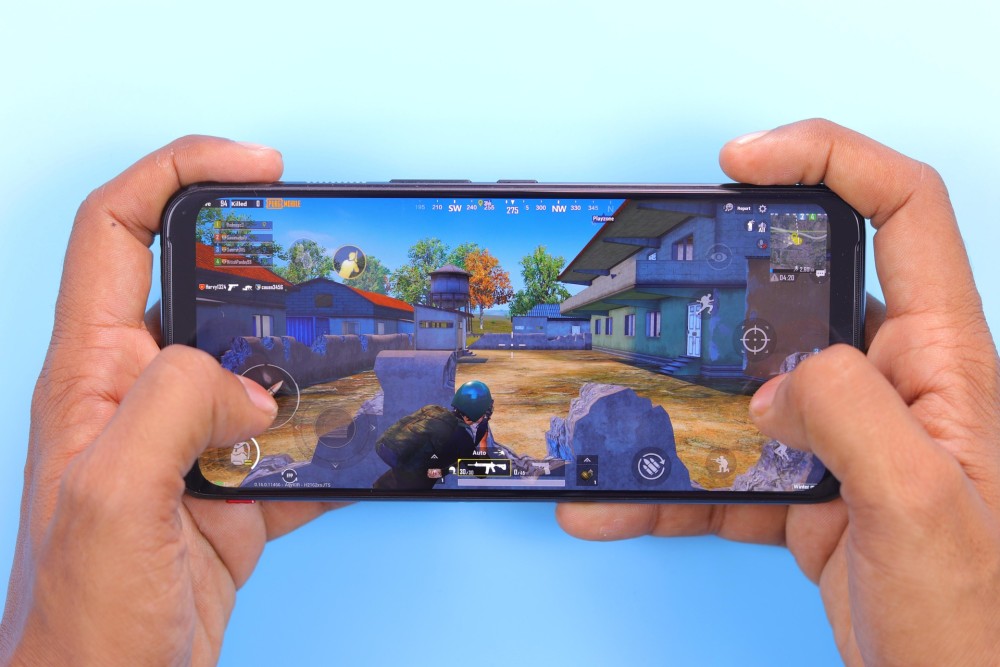
Anyone who has scrolled a social feed knows the mobile ads in question: a character in peril, a puzzle that seems impossible to fail, a pin waiting to be pulled. Many of these scenes have little to do with the game being advertised. For years, a small “Not actual gameplay” label has been the industry’s way of squaring that circle.
That approach is coming under real pressure, and the shift deserves attention from anyone working in user acquisition.
How we got here
Fake or exaggerated creative didn’t become widespread by accident. As competition for installs grew and costs rose, studios found that spectacular, story-led hooks consistently beat honest gameplay footage in the first few seconds of an ad. Once a format performed, it was copied, and before long it became normal across entire genres.
Disclaimers grew up alongside this as a compromise. They let creative teams chase performance while acknowledging, in principle, that what viewers were seeing wasn’t the real thing.
The ground is shifting
Regulators are increasingly unwilling to accept that compromise. In the UK, the Advertising Standards Authority has upheld a run of complaints against mobile game ads, including a fresh set of rulings this month against several well-known publishers. Across these decisions, a consistent view is emerging:
The impression matters more than the small print. If an ad is built to make viewers believe they’ll get a certain experience, a disclaimer saying otherwise doesn’t fix it. It can even add to the confusion.
Story is acceptable; disguised story isn’t. Clearly cinematic openings have passed scrutiny. Problems arise when creative borrows the visual language of play, such as cursors, interface elements and tap prompts, for things players can’t actually do.
Ads should show the core game. Pointing to an occasional bonus level or a rarely seen feature isn’t enough. An ad needs to reflect what players will spend most of their time doing.
Badges and labels are claims. Award-style graphics and similar credentials are judged on what they appear to say, not what the advertiser meant by them.
The UK isn’t the only place where this matters. Marketing claims in games are being tested in courtrooms as well as by regulators, with some cases carrying significant financial consequences. Since most studios run the same creative across many markets, a problem in one territory quickly becomes a global one.
Rethinking the performance case
The argument for misleading creative has always been commercial: it brings in cheaper installs. But that calculation only looks at the top of the funnel.
A player who downloads a game expecting one experience and finds another has little reason to stay. Any saving on cost per install can be lost in early churn, weaker monetization and lower returns on spend.
There’s also a longer-term cost. When players learn to distrust mobile game ads as a category, every studio pays for it in lower engagement with advertising as a whole, including the studios doing it properly.
What good looks like
None of this means mobile advertising has to become dull. The most effective creative teams are already finding ways to make honest ads that perform:
- Leading with the strongest real moments in the game, such as a satisfying combo, a big reward or a tense finish, rather than inventing new ones.
- Using narrative openly. A clearly cinematic hook can set the tone without pretending to be playable.
- Testing representative concepts against fake ones on downstream metrics like retention and LTV, not just on install cost.
- Building compliance into the creative brief at the start, rather than adding it at the end with a disclaimer.
The direction of travel
The disclaimer era was always a workaround, and it’s running out of time. Studios that wait for a ruling against their own ads will end up reworking creative under pressure. Those that act now can treat representative creative as what it really is: a better way of finding players who’ll stay.



Home of the Gamesforum events series and leading mobile game analysis. Discover everything you need to know about mobile games marketing and monetization.